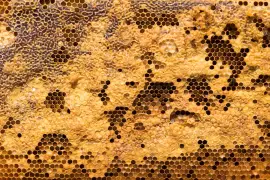
What To Do With Old Honeycomb & Brood? (5 Surprising Uses)
Some beekeepers melt down their old comb and extract the beeswax. But there are more uses for black comb that are less well-known, and even for old brood.
Read more →Let's get you up to speed with the most helpful resource for every step.
Some beekeepers melt down their old comb and extract the beeswax. But there are more uses for black comb that are less well-known, and even for old brood.
Read more →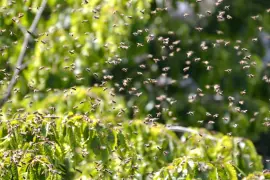
It is quite typical to see several bees flying around where a hive or swarm had previously been. When a hive disappears, the bees swarm and leave the hive, but …
Read more →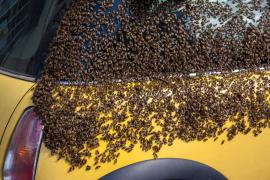
Bees leave a healthy hive to search for nectar, locate water, and rid their bodies of substances, and then they come back to the hive. The queen bee flies out …
Read more →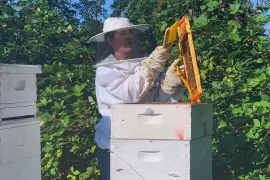
A colony of bees may fail due to a number of diseases and pests. The hive can then be cleaned and used to house a new colony of bees. Beekeepers must take …
Read more →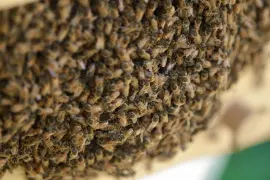
When you see a swarm of bees, don't run away. They're not mad, just looking for a new home. I'll share some tips to identifying spring swarms and how you can …
Read more →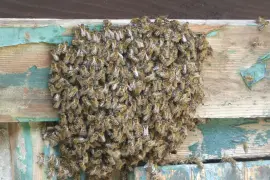
Honeybees, or Apis mellifera, use a natural habit known as swarming to help their species reproduce in the late spring or early summer. Are these bee swarms …
Read more →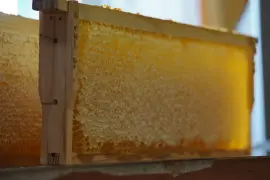
When you start to notice honey supers that are fully capped by the end of July, it means that enough nectar sources are available and your brood has swiftly …
Read more →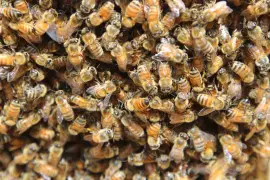
Are your bees about to ghost you or do they just need a little air? Bearding and swarming are common colony behaviors and it's important to know how to …
Read more →
Cleaning and reusing old hives is a great way to save up on the costs of beekeeping. Here's what you need to do to help your new colony settle down and stay …
Read more →End of content
No more pages to load